How to Choose the Perfect Dining Set for Your English Home
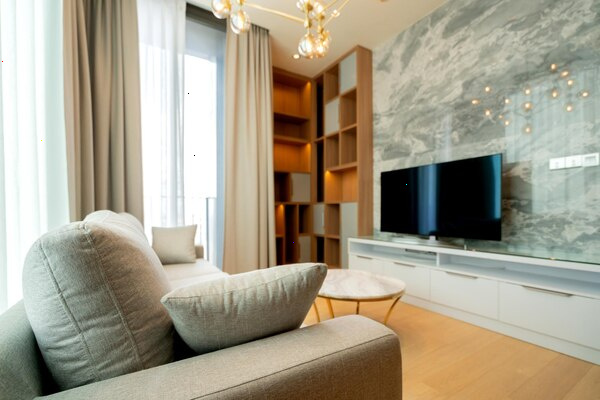
Choosing a dining set for an English home is about far more than matching table and chairs. It’s about creating a room where you can linger over Sunday roasts, host Christmas lunches, and enjoy everyday cups of tea. Below are the key points to consider so your dining set feels both beautiful and genuinely practical for the way you live.
1. Start with Your Space and Layout
Before thinking about styles or colours, look carefully at the room itself.
Measure properly
- Measure the length and width of the room.
- Note radiators, fireplaces, alcoves, doors that swing in or out, and windows.
- Leave at least 90 cm of clearance around the table for people to move and pull out chairs comfortably (more if it’s a main thoroughfare).
Think about the room’s role
- Separate dining room: You can go larger and more formal, with a solid table that often stays extended.
- Open‑plan kitchen‑diner: The table has to multitask—meals, homework, laptops—so look for durability and a style that works with your kitchen.
- Small terrace/cottage: Choose space‑saving designs such as extendable tables, drop‑leaf tables, or bench seating that tucks under.
Check shape and flow
- Rectangular rooms usually suit rectangular tables best.
- Square rooms often work well with round or square tables.
- Narrow rooms benefit from slim, rectangular tables and possibly benches on one or both sides.
2. Choose the Right Table Shape
The shape influences how the room feels and how easy it is to use.
Rectangular
- Most traditional and versatile.
- Ideal for longer rooms and for hosting larger groups.
- Easy to place against a wall if you need space on non‑entertaining days.
Round
- Great for conversation; no one is “at the head” of the table.
- Easier to walk around in tight corners and bay windows.
- A pedestal base (instead of four legs) gives more legroom.
Square
- Works best in square rooms and small spaces.
- Creates an intimate, balanced look.
- Some models can extend into a rectangle for extra guests.
Oval
- Softer look than a rectangular table but similar capacity.
- Good in traditional English interiors where you want curves rather than hard lines.
- Slightly easier to move around, with fewer sharp corners.
3. Decide on Size and Seating Capacity
Think honestly about how you use the dining area.
Daily use vs entertaining
- Size for how many sit there daily, then plan how you’ll handle extra guests.
- For small households that entertain occasionally, an extendable table is ideal.
General seating guidelines Approximate comfortable seating at a rectangular or oval table:
- 4 people: 120–140 cm long
- 6 people: 150–180 cm long
- 8 people: 200–230 cm long
- 10+ people: 240+ cm long
At round tables:
- 4 people: 100–110 cm diameter
- 6 people: 120–130 cm diameter
- 8 people: 150 cm diameter
Always check the manufacturer’s specs; leg design, aprons, and pedestal bases can affect how many fit comfortably.
4. Consider English Architectural Styles
English homes often come with strong architectural character. Use this to guide your choice rather than fight it.
Victorian and Edwardian homes
- High ceilings, fireplaces, decorative cornicing.
- Suit solid wood tables, turned legs, and classic proportions.
- Darker woods like walnut and mahogany feel authentic; oak and painted finishes can lighten the look.
1930s semis
- Often have modest dining rooms and beautiful bay windows.
- Look for medium‑sized tables in oak or light finishes, possibly oval or round to sit within a bay.
- Simple, slightly retro lines (for example, tapered legs) bridge traditional and modern.
Cottages
- Low ceilings, beams, compact rooms, and sometimes uneven floors.
- Farmhouse tables in oak or pine feel natural, especially with mismatched chairs.
- Narrow tables and benches help maximise space without overwhelming the room.
New‑builds and contemporary apartments
- Cleaner lines, larger open‑plan areas.
- Sleek tables in oak, glass, metal, or composite materials work well.
- Minimalist or Scandinavian styles with slim legs to keep the room feeling airy.
5. Pick the Right Material
Your choice of material affects the look, longevity, and care requirements.
Solid wood
- Warm, tactile, and ages gracefully.
- Oak and ash are very popular in English homes; pine is softer but charming.
- Can be sanded and refinished; marks can add to the character in informal settings.
- Needs coasters, placemats, and occasional oiling or waxing, depending on finish.
Wood veneer
- More affordable, with a real‑wood look.
- Lighter than solid wood and less prone to some types of movement.
- Quality varies widely; choose reputable brands and check edge protection and finish robustness.
Engineered surfaces (laminate, melamine, compact laminate)
- Very practical for family kitchens: easy to wipe, resistant to most stains.
- Wide range of colours, including convincing wood‑look finishes.
- Less “heirloom” in feel, but excellent for high‑traffic, everyday use.
Glass
- Visually light—useful in small or dark dining rooms.
- Pair with wood or upholstered chairs to keep it from feeling too cold.
- Requires frequent cleaning to look its best; be mindful of fingerprints and scratches.
Metal
- Often used for bases or industrial‑style tables.
- Strong and stabilising, good with reclaimed or rustic tops.
- Best in contemporary, loft‑like, or industrial spaces, or for adding contrast in traditional homes.
Stone and ceramic (including sintered stone)
- Extremely hard‑wearing, heat and stain resistant (especially ceramic).
- Cool to the touch; can feel very sophisticated.
- Heavy, so think carefully about upstairs flats and access.
6. Match the Style to Your Interior
Align the table’s character with the rest of the house rather than chasing trends.
Classic English / traditional
- Turned or carved legs, panelled details, and warm wood tones.
- Ladder‑back or slat‑back chairs with upholstered seats.
- Works perfectly with sideboards, dressers, and wall panelling.
Country / farmhouse
- Chunky or rustic oak, scrubbed pine, or painted bases with wooden tops.
- Benches mixed with simple wooden chairs.
- Looks at home with Aga ranges, flagstone floors, or exposed beams.
Modern / minimalist
- Simple forms, slim legs, and minimal ornament.
- Neutral colours: white, black, grey, light wood.
- Pairs well with sleek kitchens, large windows, and modern lighting.
Eclectic English mix
- Very common in real English homes: inherited pieces, antiques, and modern additions.
- Mismatched chairs around a unified central table.
- Combine a traditional table with bold, modern fabric on the seats, or vice versa.
7. Choose Your Seating Wisely
Chairs are as important as the table and often what you feel most.
Comfort above all
- Prioritise back support and seat comfort, especially if you linger over meals.
- Check seat height relative to the table: allow about 25–30 cm from seat top to underside of table.
Upholstered vs wooden
- Upholstered chairs: Very comfortable and can soften a formal room. Choose stain‑resistant fabrics or removable covers if you have children or pets.
- Wooden chairs: Easier to wipe down and often visually lighter. Add cushions for comfort and colour.
Benches
- Great in small spaces: they tuck under the table neatly.
- Useful for squeezing in extra people at big gatherings.
- Consider adding a bench on one side and chairs on the others to balance comfort and flexibility.
Armchairs vs side chairs
- Armchairs (carvers) at the heads of the table add a classic English dining room look, especially in period homes.
- Side chairs save space along the sides of the table and are easier to tuck in.
8. Colour, Finish, and How They Affect the Room
Colour and finish can either highlight your table or help it blend in.
Light finishes
- Make smaller or darker rooms feel larger and airier.
- Help hide dust but may show stains more on lighter fabric seats.
Dark finishes
- Add formality and richness, very at home in traditional English dining rooms.
- Best in rooms with good natural light or plenty of lamps to avoid a gloomy feel.
Painted and two‑tone
- Popular in English country and coastal styles.
- Painted bases with wood tops keep things from looking too heavy.
- Consider matching the paint colour to your kitchen units or a feature wall for cohesion.
Sheen level
- Matt and satin finishes look softer and more forgiving of everyday marks.
- High gloss reflects light but shows fingerprints and scratches more clearly.
9. Durability and Family Practicalities
British dining areas often have to cope with everything from muddy school bags to craft projects.
If you have children or pets
- Choose robust finishes: lacquered wood, laminate, ceramic, or well‑sealed solid wood.
- Darker or patterned fabrics on chairs help disguise stains.
- Look for chairs with wipeable surfaces or removable, washable covers.
If you often work from the dining table
- Ensure a comfortable legroom and height.
- Choose a surface that’s smooth enough for writing and stable for laptops.
- Consider a table with cable‑friendly legs or central pedestal if you use chargers and devices.
Maintenance
- Ask how to care for the specific finish: oiling, waxing, or simple wipe‑downs.
- Use heat‑resistant mats and coasters to avoid rings and scorch marks.
- For antique or high‑value pieces, consider table protectors or pads for special occasions.
10. Work with Your Light
In English weather, light changes a lot through the year; your dining set should look good in bright summer sun and on grey winter afternoons.
Natural light
- Position the table near windows if possible, especially in smaller homes.
- In darker rooms, lighter wood or painted finishes keep the space from feeling heavy.
Artificial light
- Hang a pendant or chandelier centred over the table to create a focal point.
- Choose warm‑white bulbs for a cosy, inviting glow.
- Dimmer switches let you move from bright weekday dinners to soft weekend entertaining.
11. Don’t Forget Storage and Complements
A dining set doesn’t stand alone; think about what you need nearby.
Sideboards and dressers
- Useful for storing tableware, glassware, and linens.
- Classic in English interiors, particularly oak dressers in country homes.
- Choose pieces that echo the table’s materials or style to tie the room together.
Rugs
- Help define the dining zone in open‑plan spaces and add warmth underfoot.
- Ensure the rug is large enough: chairs should remain on the rug even when pulled out.
- Go for flat‑weave or low‑pile for easier cleaning and chair movement.
12. Budget and Value
You don’t have to choose the most expensive option, but the table especially will work hard for years.
Where to spend
- Invest more in the table; a good one can last decades.
- Save with simpler chairs or benches, which you can replace or reupholster more easily.
New, vintage, or antique
- New: Warranties, custom choices of finish and fabric, known provenance.
- Vintage or antique: Unique character, solid construction, often perfect for period English homes. Check the condition and whether it suits your lifestyle (for example, very delicate finishes and young children may not mix).
13. Test Before You Commit (If Possible)
If you can visit a showroom or store:
- Sit at the table as you would at home. Cross your legs, lean on elbows, move your chair.
- Check whether corners feel sharp or comfortable.
- Walk around the table imagining the room’s actual size and layout.
If buying online:
- Check dimensions against your floorplan imaginatively: mark it out on the floor with tape or newspaper.
- Read reviews focusing on sturdiness, finish quality, and colour accuracy.
- Confirm return policies and delivery conditions, especially for upper‑floor flats and narrow stairs commonly found in English homes.
Selecting the perfect dining set for your English home is about balancing character, comfort, and practicality. When you consider your space, lifestyle, architectural style, and long‑term needs, you’ll end up with a table and chairs that not only look right but become a natural gathering place for years to come.